Operational Reality
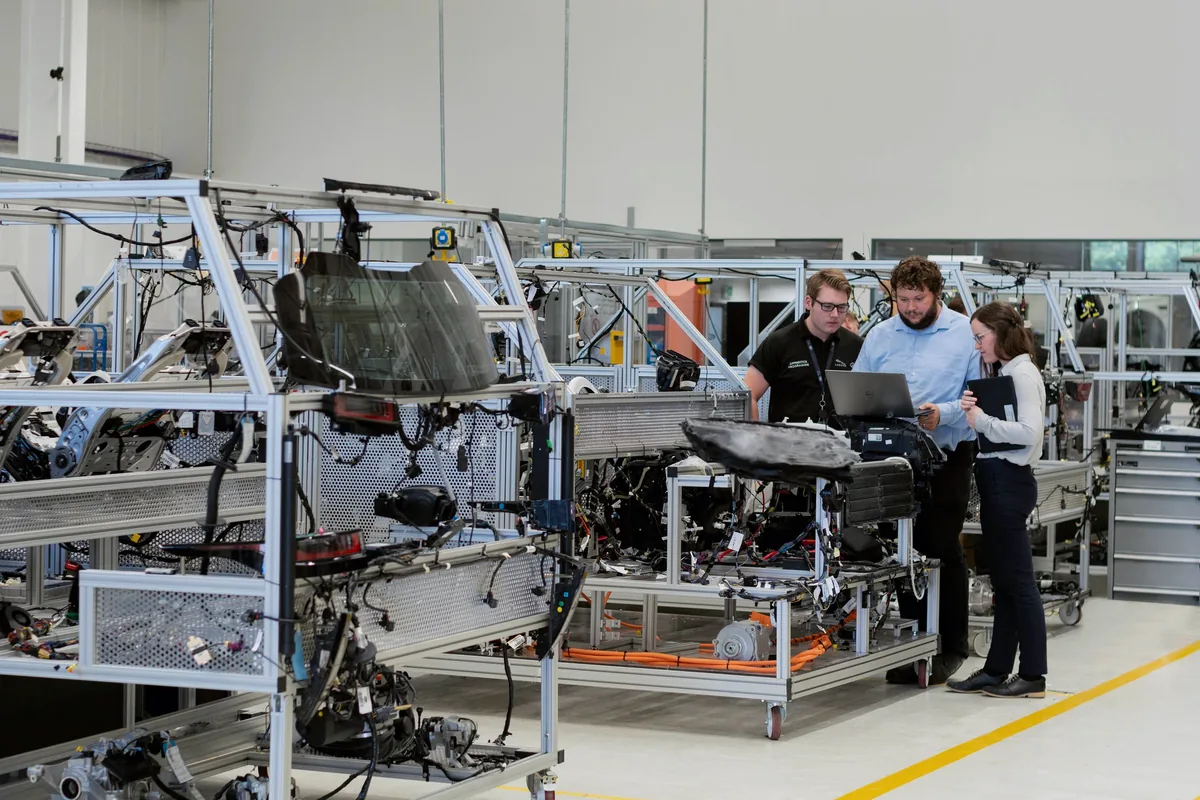
Enterprise systems live inside deadlines, handoffs, exceptions, user habits, capacity limits, and management decisions. That reality is why FlowForAI starts with observation and consequences before discussing models.
ABOUT FLOWFORAI
FlowForAI grew from work across enterprise operations, business, IT systems, ERP and databases, systems delivery, and AI product development. The common thread is simple: understand how people actually work, then decide where technology belongs.
Capability formed in context
The role is not to force one tool into every process. It is to translate between operational reality, systems, business outcomes, and an accountable delivery path.
Enterprise systems live inside deadlines, handoffs, exceptions, user habits, capacity limits, and management decisions. That reality is why FlowForAI starts with observation and consequences before discussing models.
Experience with ERP, databases, IT operations, system implementation, and day-to-day maintenance makes brownfield constraints visible early: legacy systems, spreadsheets, permissions, local networks, and data quality are part of the product boundary.
Business teams speak in outcomes, engineers speak in systems, and management speaks in risk, cost, and responsibility. A large part of delivery is translating between those languages without losing the original operational problem.
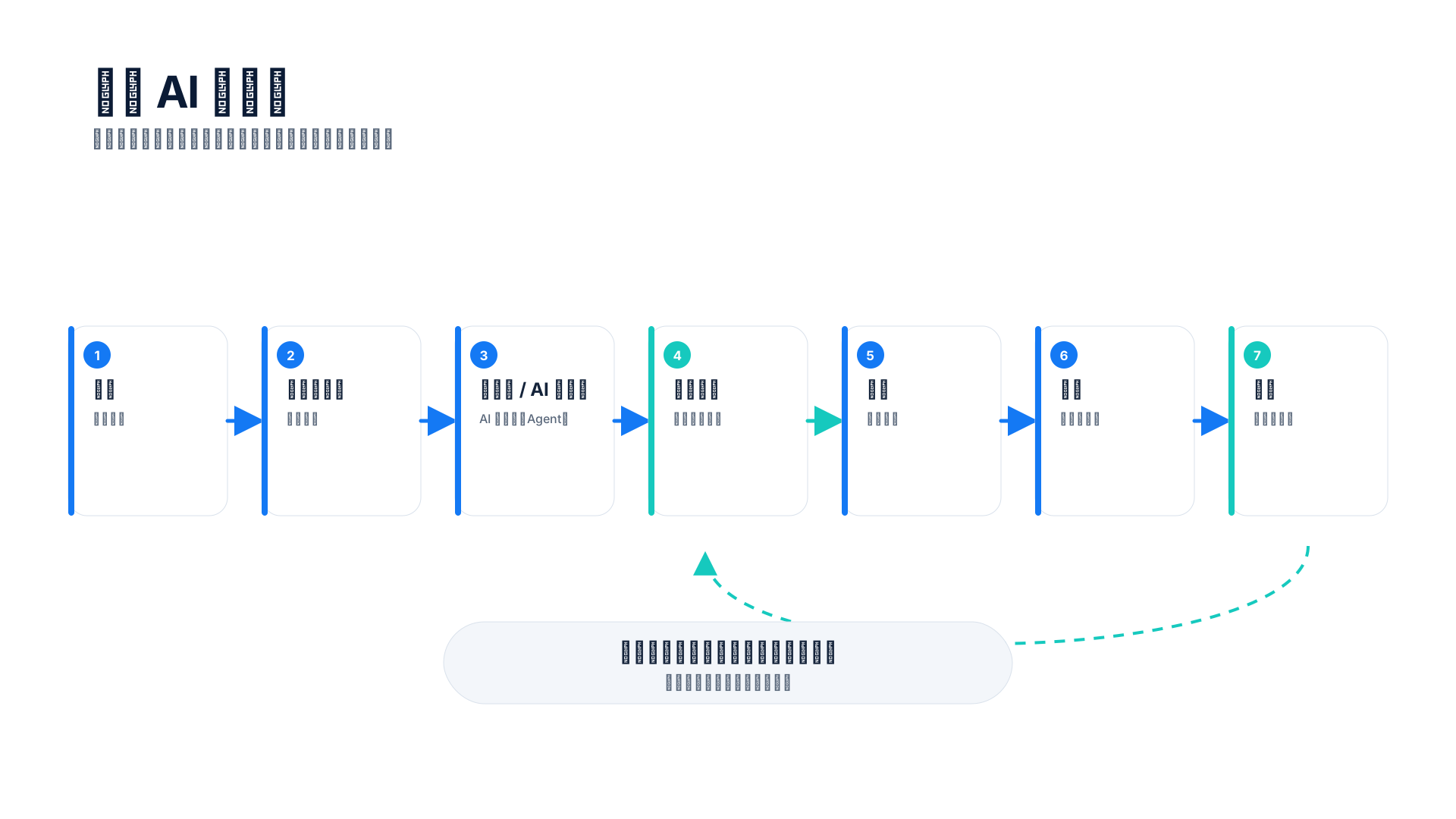
Today the work sits between operational discovery, product judgment, AI architecture, implementation, governance, and verification. That field-delivery perspective became the basis of the FlowForAI Delivery Loop.
What I believe about AI delivery
These principles keep speed useful: they define where judgment, evidence, and human authority belong.
Understand the real behavior, bottleneck, consequence, and owner before selecting a model.
Prove the shortest useful path from real input to useful output before adding polish.
Direction, risk, meaning, approval, and release remain owned by people.
Test, inspect, log, stop, and roll back before expanding the system.
The operating frame
Read the method, then bring it into one observable workflow with a real owner and a decision to make.