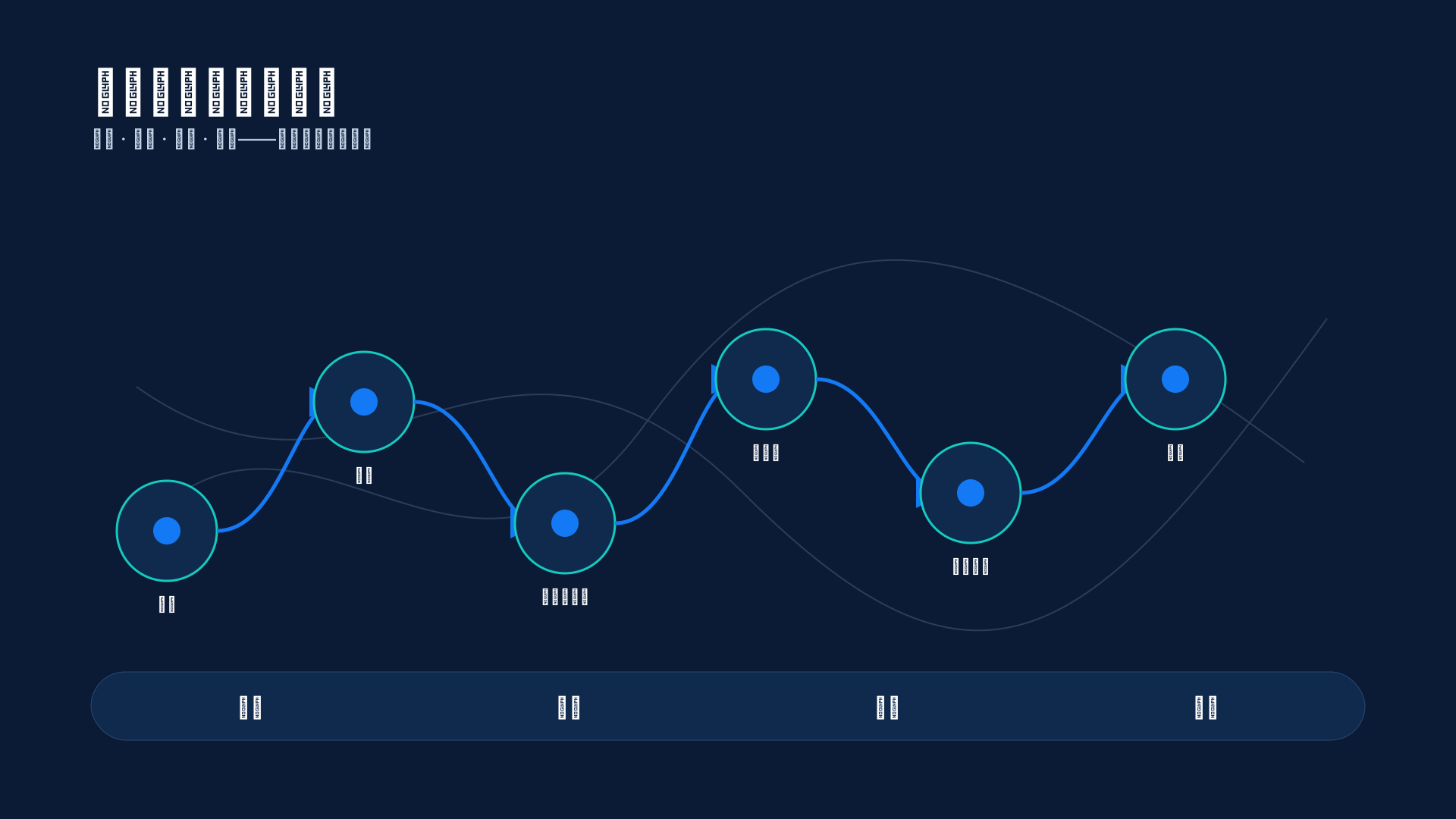
Understand
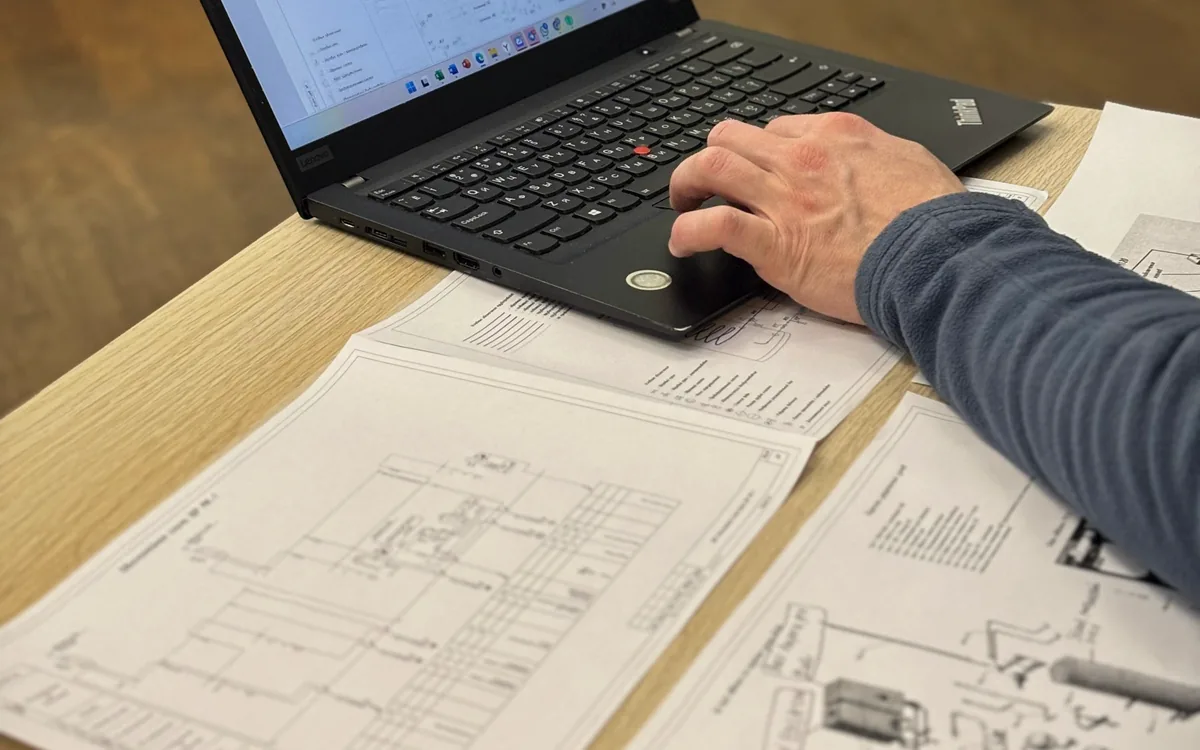
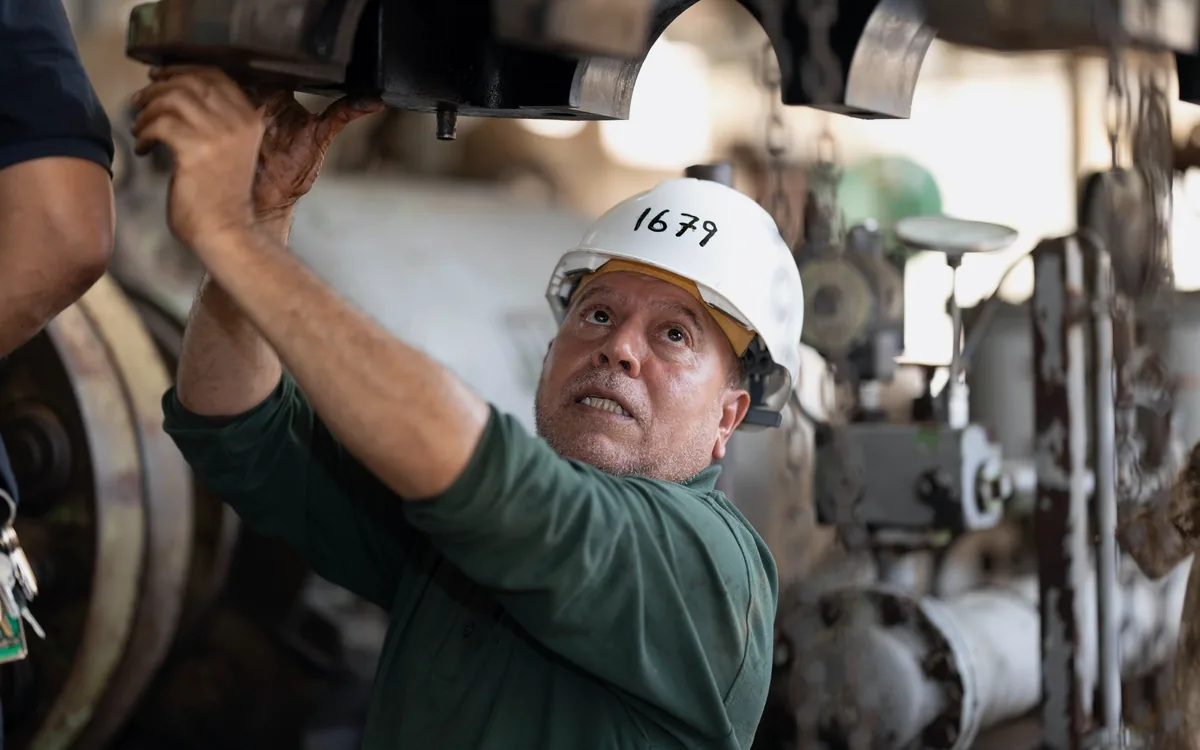
- Observe the work
- Define the outcome
Field-driven AI product delivery
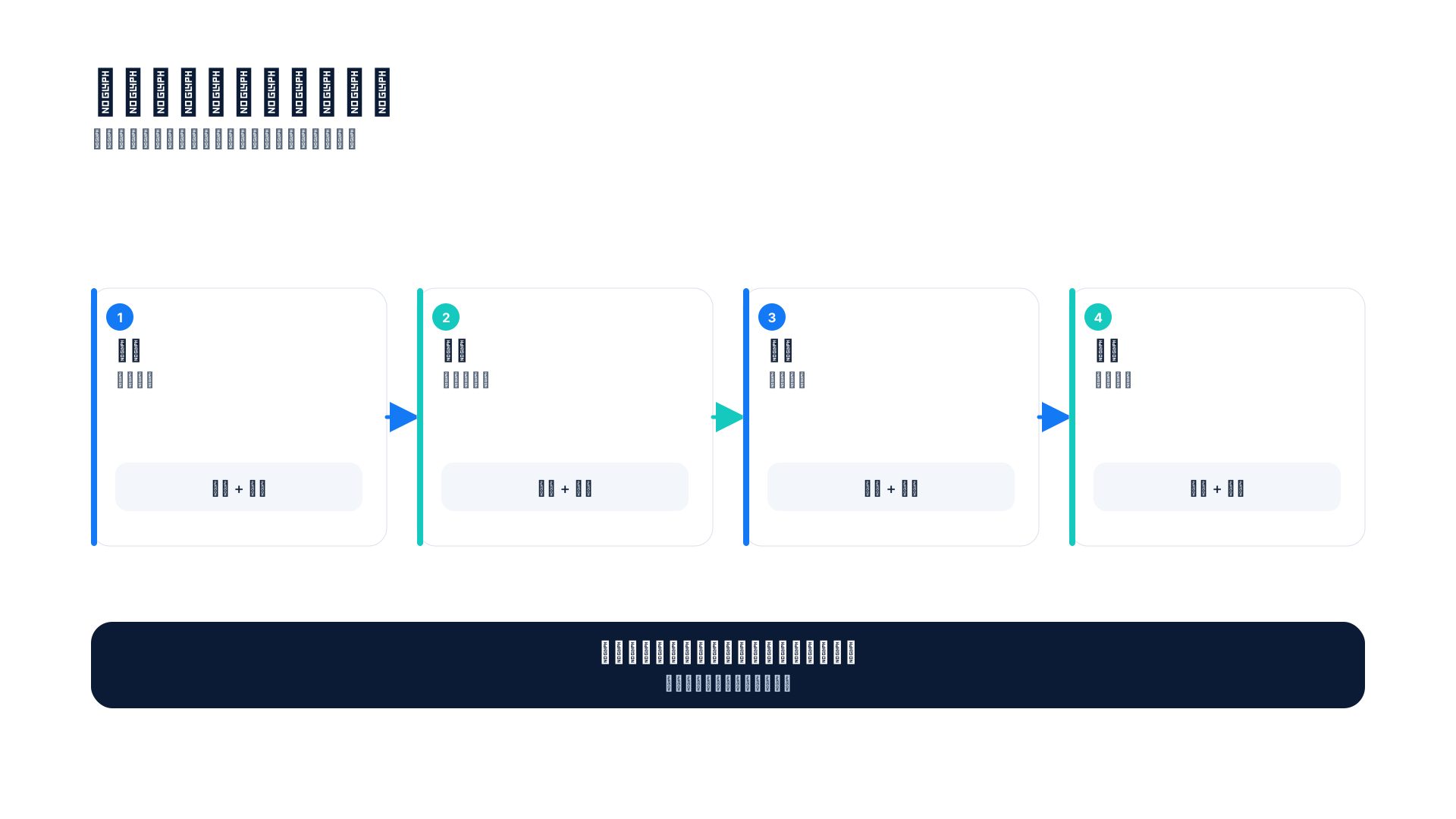
We start with the work as it actually happens, define a verifiable outcome, build the smallest end-to-end product, and carry the result into real use.
Not a catalog of AI tools. A repeatable method for delivery.
The delivery method
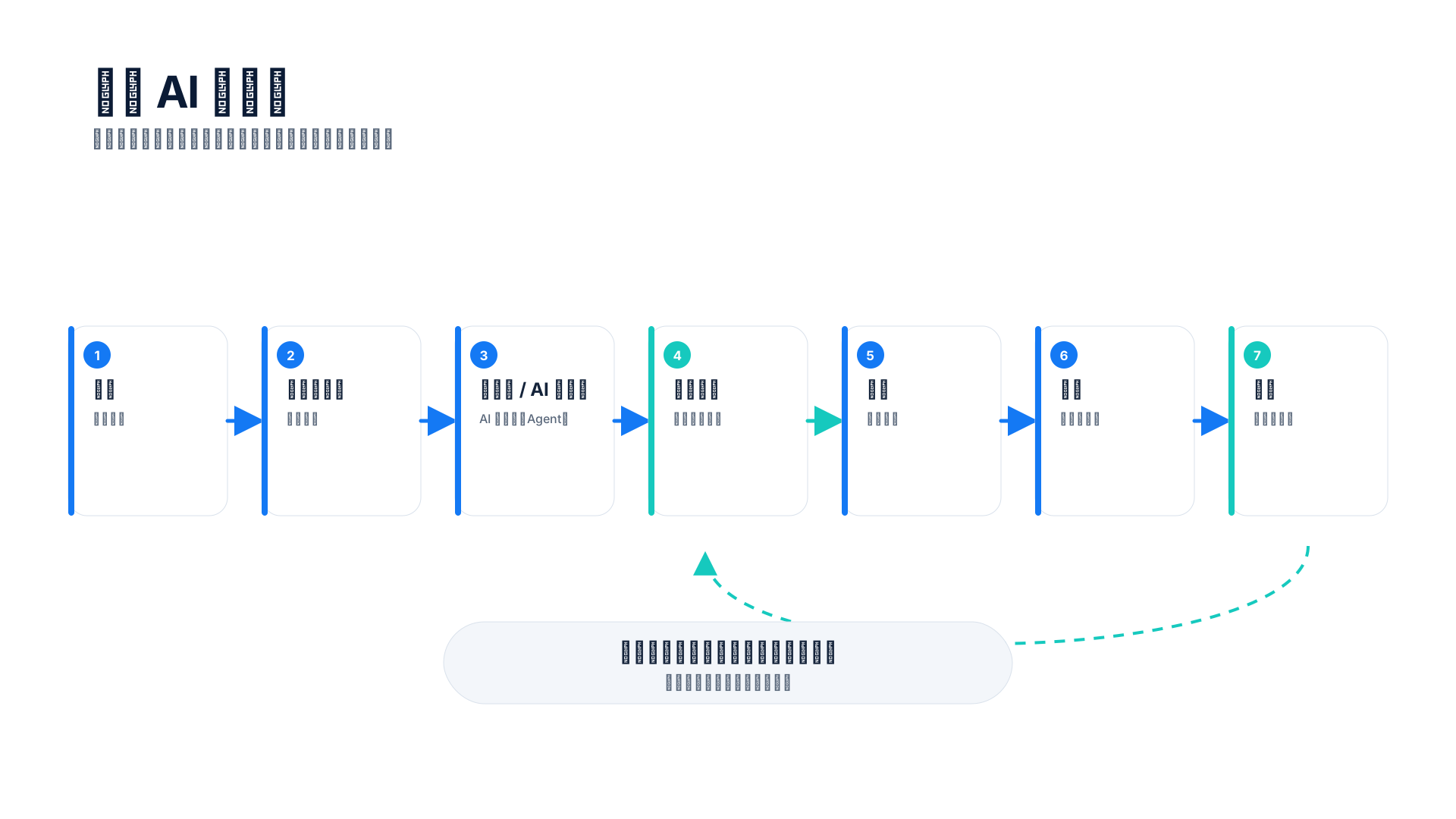
The Delivery Loop connects product judgment, technical scouting, end-to-end building, and evidence. Each case below shows where that loop met real constraints.
Selected work
Each case names the operational problem, delivery boundary, verification evidence, and reusable capability—not only the technology used.
Multimodal agent
Voice, vision, memory, tools, and interruption control in one governed local runtime.
8h 46m active development · 20 commands · 13 commits to MVP
Read the case
Photo to 3D
A pass-gated reconstruction workflow that turns sparse product photos into an inspectable Three.js asset.
Three references · Independent PBR maps · Interactive GLB proof
Read the case
Offline operations
A durable, account-free photo workflow designed for a non-technical family member and real removable drives.
Offline daily use · Privacy-safe evidence · Portable deployment
Read the case
Local generation
A local image workspace rebuilt around dependable history, model lifecycle, and repeatable creative sessions.
Local runtime · Persistent generations · Explicit model controls
Read the case
Evidence to 3D
A reference-led reconstruction carried through geometry, materials, multi-view QA, and a frozen approved asset.
Six-view QA · Material review · Frozen approved GLB
Read the case
Interactive exhibit
A presentation layer built around a frozen 3D master, with environments, audio, and a public real-time viewer.
Six environments · Optional audio · Viewer-only derivation
Read the caseWhat the work proves
The reusable output is not a generic promise. It is a sharper product contract, a safer delivery path, a verified asset, or an operating pattern that can survive beyond the prototype.
Public proof
Demos, screenshots, QA views, release records, metrics, and clearly stated limits make the work legible.
Private fieldwork
Private repositories, personal media, credentials, internal paths, client context, and unapproved artifacts stay outside the public site.
Built from the operational side
FlowForAI starts by understanding how people actually work, then decides where technology belongs and what evidence should authorize the next step.
About the workField Notes
Three selected articles connect organizational capability, workflow design, and resilient AI architecture with the work behind FlowForAI.
Selected article ·
The hardest part of enterprise AI adoption is rarely the model itself. The real challenge is translating human experience, business constraints, priorities, and judgment into an operational workflow.
Read on WeChatSelected article ·
When access to a frontier AI model is disrupted by regional restrictions, identity requirements, platform policies, or regulatory changes, the problem is no longer a temporary tool outage. It becomes a business continuity risk—especially when critical workflows depend on a single external provider.
Read on WeChatSelected article ·
Having a few AI-proficient employees does not mean an organization has developed AI capability. An individual may produce faster and better results, but if the method remains inside personal chat histories, prompt collections, and private working habits, the company has gained individual productivity—not organizational strength.
Read on WeChatScan the QR code to follow future notes on enterprise AI delivery, workflows, architecture, and organizational capability.
A practical first step
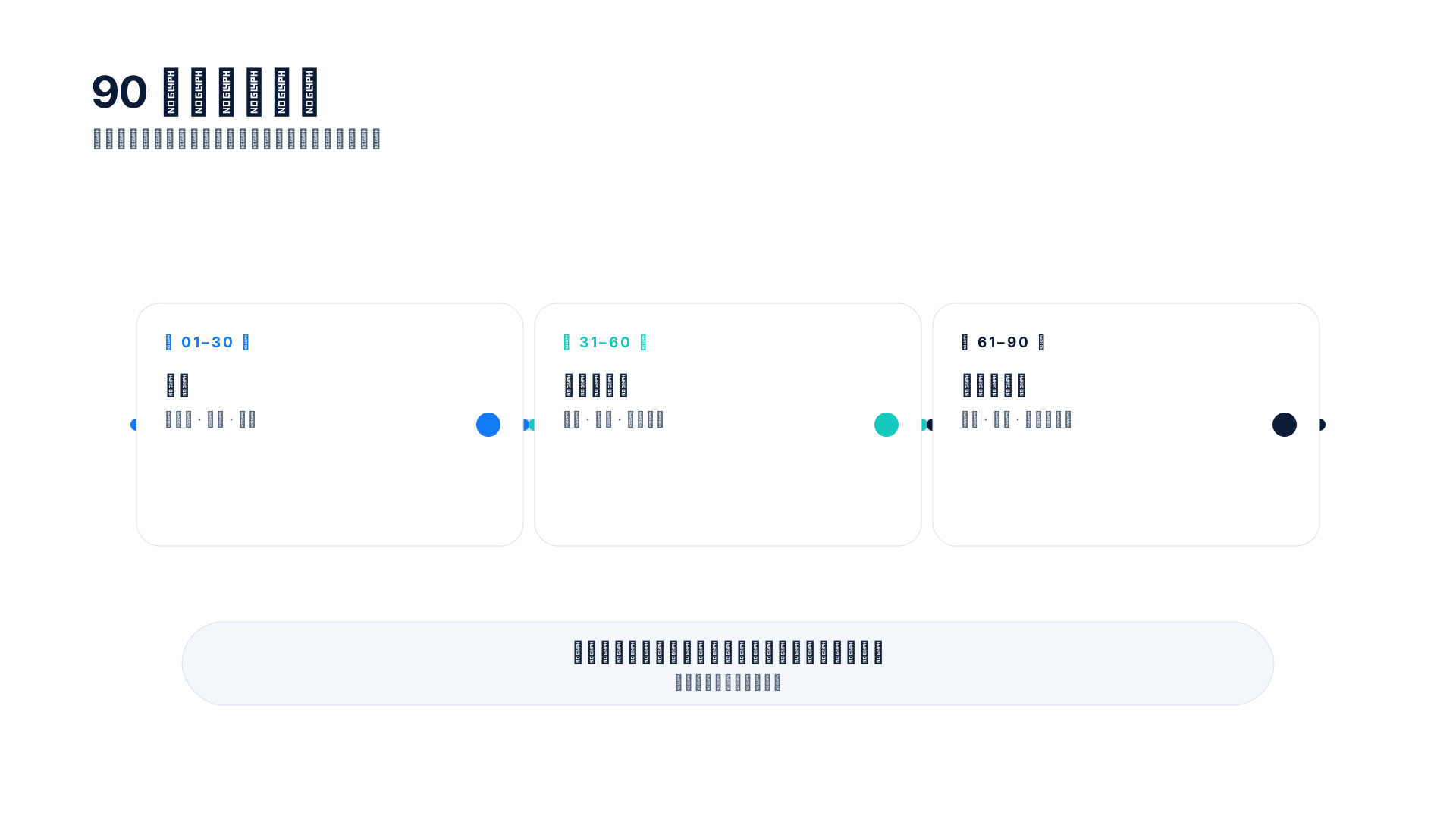
The 30-Day AI Workflow Pilot completes one reviewable Delivery Loop and produces enough evidence to expand, revise, or stop.
See how to start